


Buddha Museum
Buddha Museum

Location
Western Adoration Hall
The reception hall located at the eastern corner of the Shwedagon Pagoda precinct was the first museum. Initially, this hall was used to store various valuable artifacts, such as golden items that should not be melted down, Myanmar traditional arts and crafts, and ancient relics donated over generations. Up until around 1970, this hall served as the repository. At that time, there was no separate museum for the Shwedagon Pagoda. As the number of stored items increased, the need for a separate museum became apparent. In 1976, plans for constructing a dedicated museum were drafted, leading to the construction of a grand museum. This reception hall is currently used as the ancient Buddha statue exhibition hall of the Shwedagon Pagoda. The museum exhibits various Myanmar traditional arts and crafts, valuable ancient items, and ancient Buddha statues for the public to explore and appreciate. As the collection of exhibits, including five major Buddha statues, grew over time, the museum began to resemble a storage room rather than a proper exhibition space. In 1986, the Board of Trustees, in consultation with experts, initiated plans to expand and build a new museum. However, these plans did not come to fruition. In 1989, the state led three major projects related to the Shwedagon Pagoda, one of which included constructing the Shwedagon Pagoda Museum, the Pitaka Library, and the Archives. Construction began on October 14, 1989, and was completed and opened on July 14, 1992. The building design was drafted by architects from the Public Works Department, and the construction was carried out by the Ministry of Industry No. 2. In 2013, the state led the formation of various committees to upgrade and enhance the Buddha Museum.
The museum is located adjacent to the northern precinct of the Shwedagon Pagoda. Originally, the top floor served as the main museum, the middle floor housed the Pitaka Library, and the ground floor functioned as the Archives. The three-story building was opened as the Museum, Pitaka Library, and Archives on July 14, 1992. In 2013, plans to upgrade the entire building to function solely as the Buddha Museum led to the relocation of the Pitaka Library on the middle floor to Daw Hla Sin Pitaka Library on Arzarni Road, and the Archives on the ground floor to U Ohn Khin (Pyapon) Pitaka Library. The entire building was renovated and reopened as the Buddha Museum on March 18, 2016.
The Buddha Museum displays various religious items, artifacts related to the Buddhist religion, traditional Myanmar cultural items, and rare and ancient artistic pieces for public viewing.
The museum is located adjacent to the northern precinct of the Shwedagon Pagoda. Originally, the top floor served as the main museum, the middle floor housed the Pitaka Library, and the ground floor functioned as the Archives. The three-story building was opened as the Museum, Pitaka Library, and Archives on July 14, 1992. In 2013, plans to upgrade the entire building to function solely as the Buddha Museum led to the relocation of the Pitaka Library on the middle floor to Daw Hla Sin Pitaka Library on Arzarni Road, and the Archives on the ground floor to U Ohn Khin (Pyapon) Pitaka Library. The entire building was renovated and reopened as the Buddha Museum on March 18, 2016.
The Buddha Museum displays various religious items, artifacts related to the Buddhist religion, traditional Myanmar cultural items, and rare and ancient artistic pieces for public viewing.
First floor of the Buddha Museum
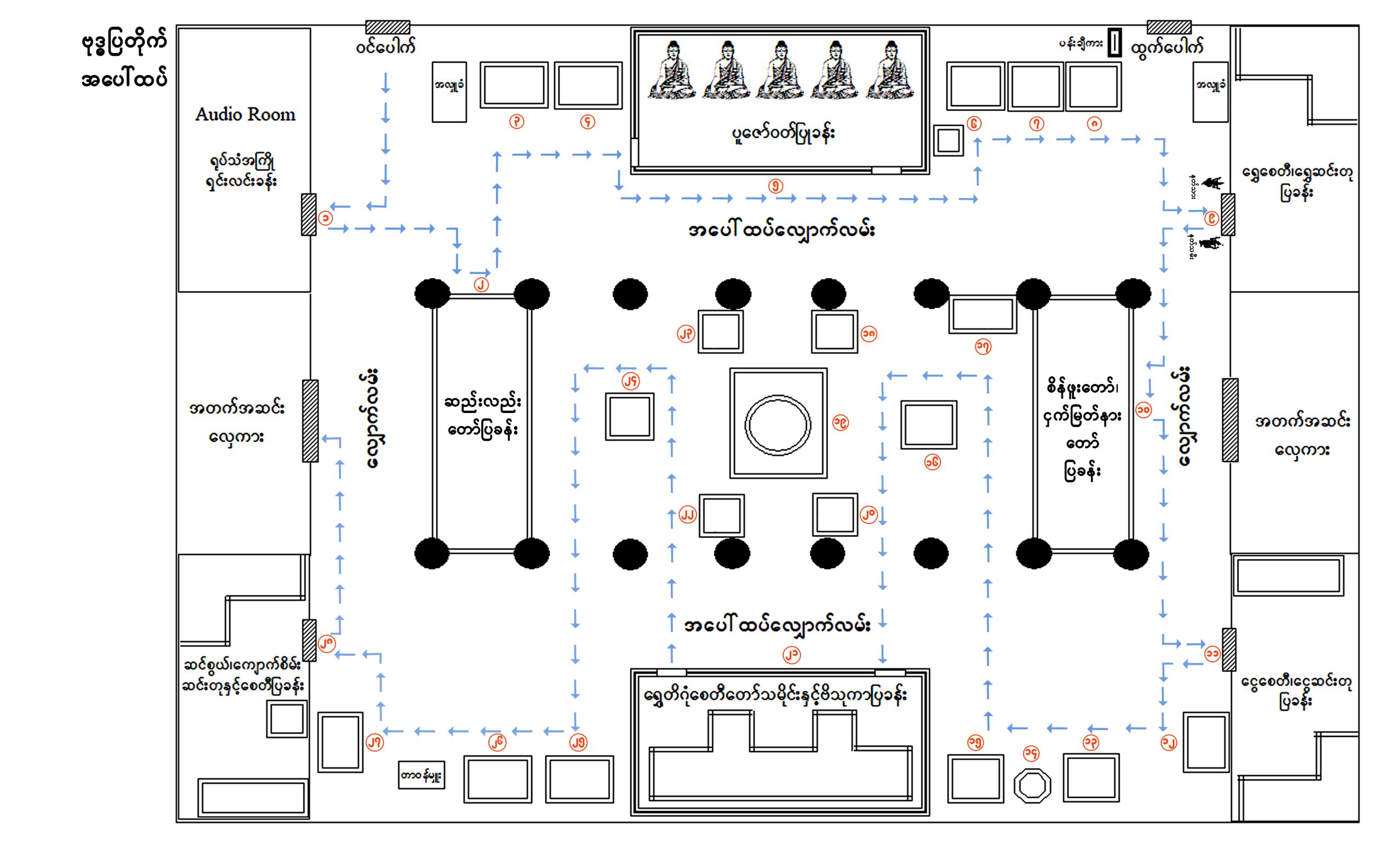


- Audio Room
2. The various small bells gallery
3. Wooden Buddha Images
4. Buddha Images Through the Ages
5. Worship Room
6. Small stupas from around the world
7. Buddha statues from around the world
8. Buddha statues from foreign countries
9. Golden pagoda, golden statue gallery
10. the Diamond Bud and the Vane gallery
11. Silver pagoda, silver statue gallery
12. Pagodas molded into bottles
13. Wooden gilded Buddha statue
14. Large silver vase
- Buddha statues
16. Compound Pagoda
17. Buddha Image constructed with bricks
18. Large gold-plated lacquer vase
19. Replica Pagoda
20. Large gold-plated lacquer vase
21. History and Architecture gallery
22. Large silver vase
23. Large silver vase
24. Banana Bud
25. Bronze Buddha statues
26. Ancient bronze Buddha statues
27. Wooden gilded Buddha statue
28. Ivory Jade Pagoda and Statues gallery
Audio Room
ဗုဒ္ဓပြတိုက်တွင် ပြသထားသော ပစ္စည်းများ၏ သမိုင်းကြောင်းနှင့် ပြခန်းအလိုက် ပြသထားရှိ မှုများကို အကြိုရှင်းလင်းပြသသောအခန်း ဖြစ်ပါသည်။ ရင်ပြင်တော်မှ လာရောက်ကြည့်ရှု လေ့လာကြ သော ဘုရားဖူးများသည် ရုပ်သံအကြိုရှင်းလင်းခန်းတွင် အေးချမ်းစွာထိုင်ပြီး ပြတိုက်အတွင်း ပြသထားရှိ မှုများကိုလည်း ကြိုတင် လေ့လာကြည်ညိုနိုင်ပါသည်။
ဆည်းလည်းပဒေသာပြကွက်
ရွှေတိဂုံစေတီတော်ကြီး ထီးတော်အသစ်တင်လှူသောကာလ ၁၉၉၉ တွင် ထီးတော်ကြီး ကြံ့ခိုင်ရေးလုပ်ငန်းများ ဆောင်ရွက်ရာတွင် ထီးတော်တွင် အလေးချိန် များလွန်းသောကြောင့် အလေးချိန် လျှော့ချသောအားဖြင့် ဆည်းလည်းအချို့အားဖြုတ်၍ ပြတိုက်တွင်ထားရှိခဲ့ပြီး ဗုဒ္ဓပြတိုက်ကြီး အဆင့်မြှင့် ခင်းကျင်းသည့် ၂၀၁၆ ခုနှစ်တွင် ထိုဆည်းလည်းများအား စုပေါင်း၍ ဆည်းလည်းပဒေသာပြကွက်အဖြစ် ချိတ်ဆွဲပြသခဲ့ပါသည်။ သက္ကရာဇ် ၁၂၀၃ ခုနှစ်တွင် ဘိုးတော်ဘုရားလှူဒါန်းခဲ့သော သံသေဆည်းလည်း တစ်လုံးကိုလည်း သီးခြား ချိတ်ဆွဲပြသထားပါသည်။ နှစ်ပေါင်းတစ်ရာကျော် ဆည်းလည်း (၂၇၅) လုံး၊ နှစ်ပေါင်းနှစ်ရာကျော် ဆည်းလည်း (၁၅) လုံး အပါအဝင် ဆည်းလည်းပေါင်း (၅၇၂) လုံးကို ပြသထားပါ သည်။ အချို့ဆည်းလည်းများ၏ အလေးချိန်များမှာ (၃) ပိဿာကျော်အထိရှိသည့် ဆည်းလည်း များလည်း ပါဝင်ပြီး အသံမှာလည်း အလွန်သာယာသည်။ နှစ်ပေါင်း (၂၀၀) မှ စာအရေးအသားများကို လေ့လာသိရှိနိုင်ပါတယ်။
Middle floor of the Buddha Museum
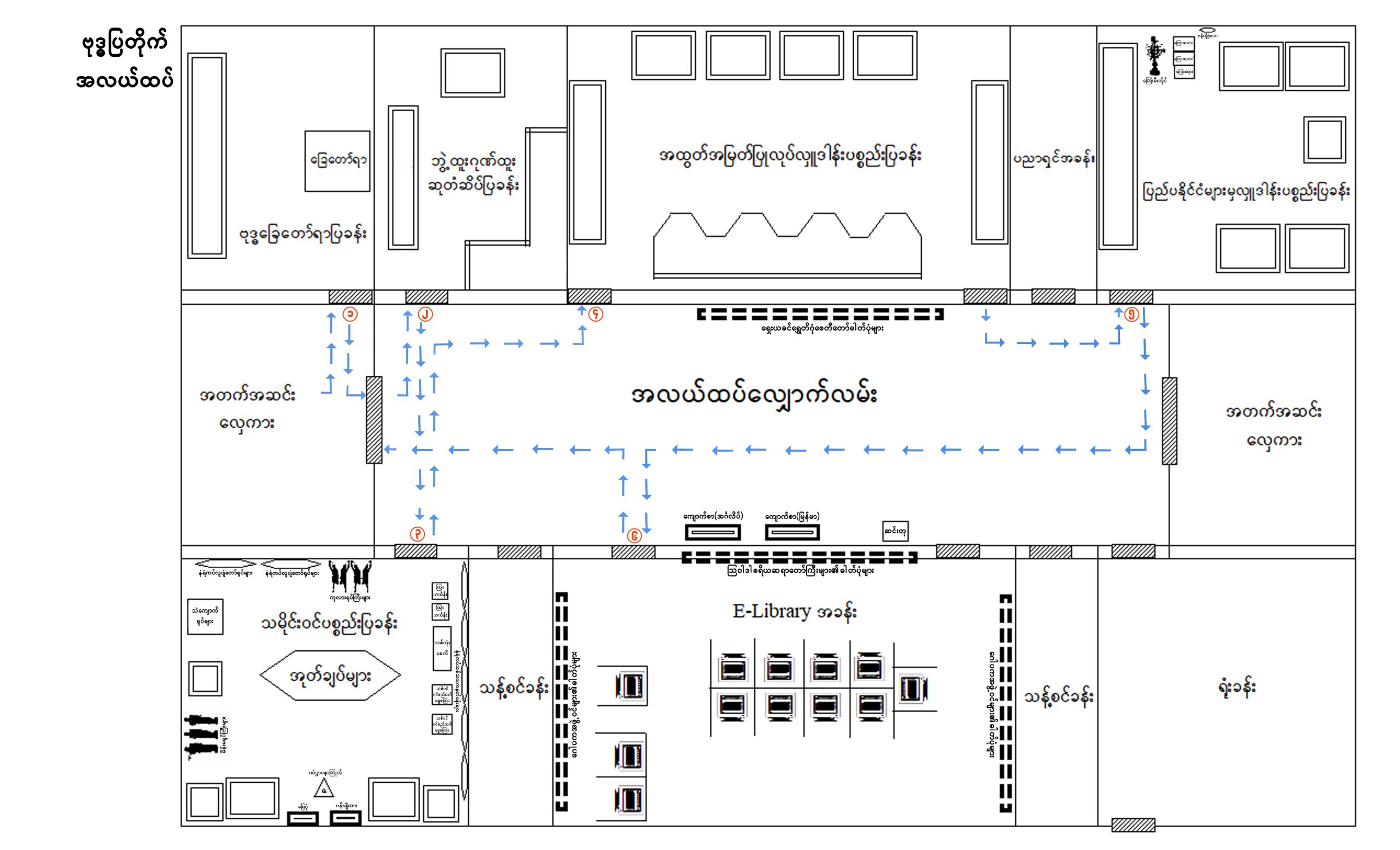
- Buddha Footprints Gallery
2. Honorary Degree Badge Gallery
3. Shwedagon Historical Artifacts Gallery
4. Valuable donation items gallery
5. Donated Items from Foreign Countries
6. E-Library
Ground floor of the Buddha Museum
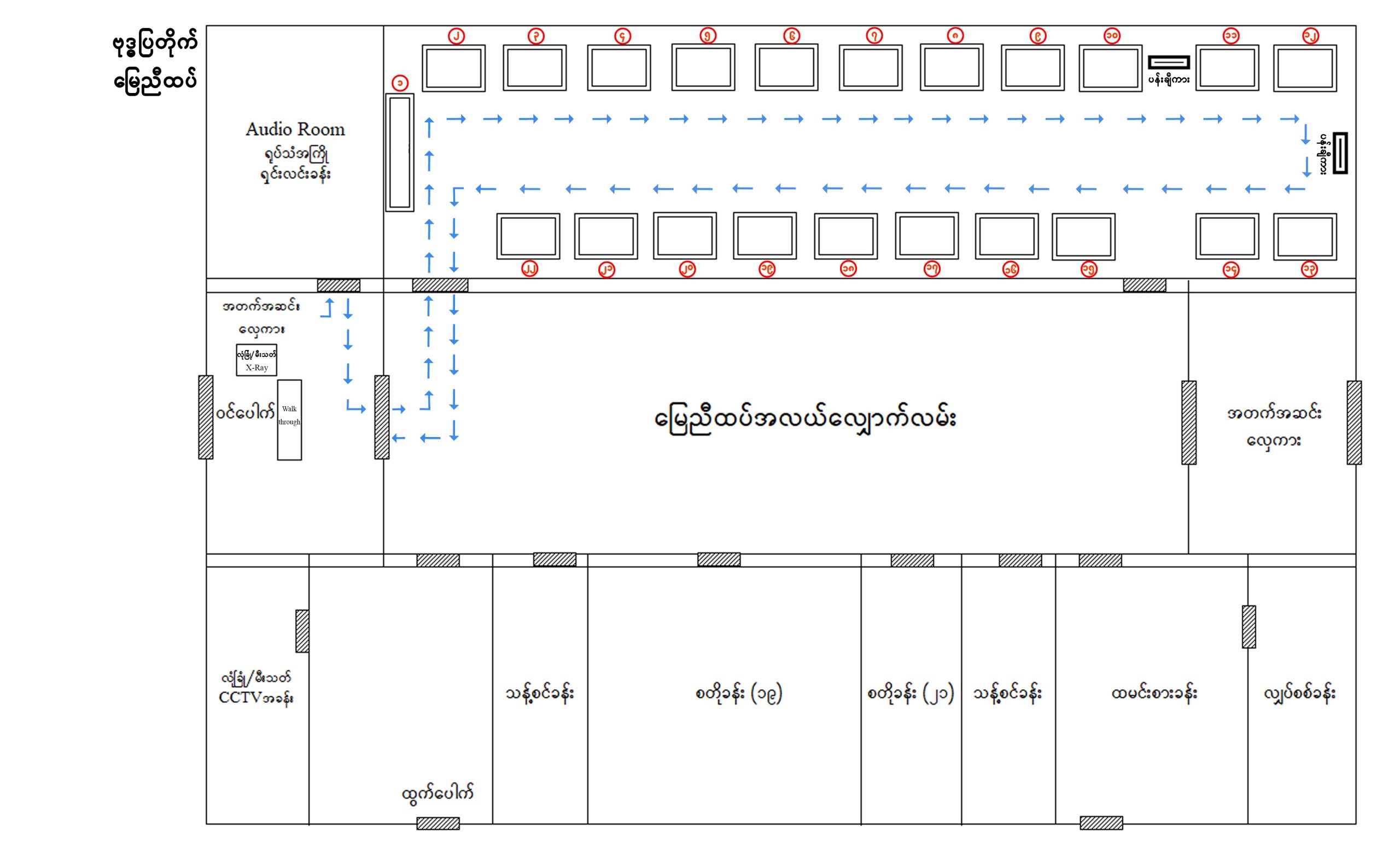
- Various types of Scrolls
2. lacquerware Box, Various types of Ivory Carved Bible
3. Various silver vases
4. Ancient Burmese bronze weight blocks
5. Antiques made of silver
6. Various types of Sculpture statues
7. Various types of Wooden Ogre statues made of Mosaic and Wooden Sculpture statues
8. Various types of Burmese Lacquerware
9. The Lacquer Crafts that made with black and red teak wood.
10. Various types of Knives
11. Various types of Burmese Harps
- Fan made of Peacock’s Tail and Wool, Wooden Ring Rounded with the Dragon Statue
13. Various types of Gold Thread Embroidery, Silver Thread Embroidery
14. Various types of Money and Coins
15. Various types of Animal statues
16. Various types of Silver Cups
17. Various types of Burmese Chess statues
18. Various types of Bronze items
19. Various types of Betel Box made of silver
20. Various types of Alms Bowl made of silver
21. The various of silver kalap and the silver flower branches
